
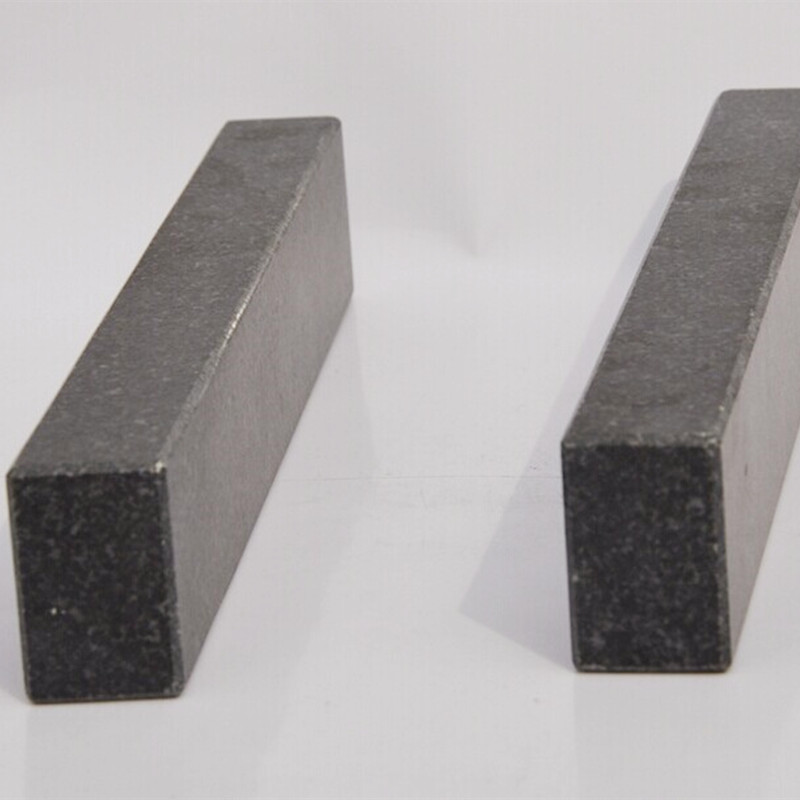
black bathroom mirror with lights
Understanding the 2% 201% 202% Gate Valve Functionality, Applications, and Benefits Gate valves are a critical component in various industrial applications, serving as essential mechanisms for controlling fluid flow. Among the numerous gate valve designs, the 2% 201% 202% gate valve stands out for its specific features and advantageous functionalities. This article elucidates the significance of this particular gate valve, its operational principles, applications, and the benefits it offers across different industries. What is a Gate Valve? Before delving into the specifics of the 2% 201% 202% gate valve, it is essential to understand the fundamental characteristics of gate valves. A gate valve is a type of valve that opens or closes by lifting the gate (a wedge or disk) out of the path of the fluid. They are designed primarily for on-off control rather than flow regulation, making them ideal for situations where a full flow is either fully open or completely closed. Features of the 2% 201% 202% Gate Valve The designation 2% 201% 202% indicates a specific category or model within gate valves, generally referring to particular size, pressure ratings, or design standards. Typically, such specifications are essential for engineers and operators as they guide the selection of valves suitable for specific applications. The unique features of this valve could include 1. Construction Material Gate valves like the 2% 201% 202% are often constructed using durable materials such as stainless steel or carbon steel, ensuring they withstand harsh environments and high-pressure conditions. 2. Design Standards These valves are manufactured in compliance with industry standards, ensuring reliable performance and safety. This could include adherence to API (American Petroleum Institute), ASME (American Society of Mechanical Engineers), or ISO (International Organization for Standardization) standards. 3. Size and Pressure Ratings This type of gate valve is available in various sizes and pressure classes, making it suitable for a range of applications, from residential plumbing to industrial systems. 4. Enhanced Sealing Performance Many modern gate valves are designed with advanced sealing technology to reduce leakage, further ensuring the efficiency of fluid systems. Applications of the 2% 201% 202% Gate Valve The diverse applications of the 2% 201% 202% gate valve underline its versatility and functionality. Some common applications include 2 1 2 gate valve 1. Water Distribution Systems These valves play a significant role in municipal water supply systems where they help regulate the flow of water between different sections of the pipeline. 2. Oil and Gas Industry In oil and gas pipelines, gate valves are used to control fluid flow. Withstanding high pressures and corrosive materials, they are essential for safe operations in this sector. 3. Chemical Processing The chemical industry utilizes these valves for regulating the flow of various chemicals, ensuring safe and efficient processing. 4. HVAC Systems In heating, ventilation, and air conditioning systems, gate valves help control water flow, maintaining the desired temperature levels. Benefits of Using the 2% 201% 202% Gate Valve Using the 2% 201% 202% gate valve offers several advantages, including 1. Reliability Gate valves are designed to provide a tight seal, minimizing leakage and ensuring reliability in fluid control. 2. Ease of Operation With simple mechanisms, they can be easily opened and closed using handwheels or automated systems, making operations efficient and less labor-intensive. 3. Cost-Effectiveness Due to their durability and low maintenance needs, gate valves often result in cost savings over their operational lifespan. 4. Versatility Their wide range of applications makes them suitable for various industries and settings, from residential plumbing to large industrial plants. Conclusion The 2% 201% 202% gate valve represents a critical component in the efficient management of fluid systems across various industries. Its robust design, versatility, and reliable performance make it an invaluable asset in applications ranging from municipal water supply to oil and gas operations. By understanding the functionality and benefits of this specific valve, engineers and operators can make informed decisions that enhance the efficiency and safety of their systems.
about
black bathroom mirror with lights
Understanding Thread Go/No-Go Gauges An Essential Tool for Quality Control In the fields of manufacturing and engineering, precise measurement is crucial for ensuring that components fit together properly and function as intended. One of the key tools in this realm is the thread go/no-go gauge, a simple yet highly effective device used to inspect threaded parts. This article will delve into the purpose, design, and importance of these gauges in maintaining quality control. What is a Thread Go/No-Go Gauge? A thread go/no-go gauge is a measuring tool designed to verify the proper dimensions and tolerances of threaded features. It consists of two parts a go gauge and a no-go gauge. The go gauge is used to check the maximum allowable size of the thread, while the no-go gauge checks the minimum allowable size. Together, they help ensure that the threaded part meets the specified standards and can achieve a proper fit with corresponding components. Purpose and Functionality The primary purpose of a go/no-go gauge is to facilitate a quick and reliable inspection process. By using these gauges, manufacturers can efficiently determine whether a threaded part is acceptable for use. During production, threads may be subjected to various factors that can lead to errors—such as wear, tool damage, or improper machining. The go/no-go gauge serves as a definitive testing method, enabling engineers and quality control inspectors to identify parts that fall outside permissible limits. When a part passes the go gauge, it indicates that the thread is within the maximum size limit, meaning it can be assembled with the mating part. Conversely, if a part fails the no-go gauge, it indicates that the thread is larger than the minimum size limit, which could lead to improper fitting or function. Design and Features thread go nogo gauge The design of thread go/no-go gauges can vary depending on the specific application, including the type of thread (e.g., metric or imperial) and the size range being measured. These gauges are often made from high-quality materials, such as hardened steel, to withstand wear and maintain precise dimensions over time. Many modern gauges also incorporate ergonomic features, making them easier to handle and use in production environments. Additionally, some gauges can be designed with a built-in indicator to provide further feedback to the operator, ensuring that the measuring process is both efficient and accurate. Importance in Quality Control Implementing go/no-go gauges in manufacturing processes is critical for quality control. Inaccurate threads can lead to assembly failures, decreased product performance, and ultimately dissatisfied customers. By using these gauges, manufacturers can detect issues before parts are assembled into final products, reducing the risk of costly recalls or repairs. Moreover, go/no-go gauges can help ensure compliance with industry standards and regulations. Many sectors, such as aerospace and automotive, require exact specifications to ensure safety and reliability. Regular use of these gauges can assist companies in maintaining certification and demonstrating their commitment to quality. Conclusion Thread go/no-go gauges are indispensable tools in the manufacturing and engineering sectors. Their simple design and effective functionality provide a reliable method for ensuring that threaded parts meet critical specifications. By integrating these gauges into quality control procedures, manufacturers can enhance product reliability, improve operational efficiency, and ultimately deliver superior products to their customers. As industries continue to evolve, the importance of precise measurements and quality assurance will remain paramount, making thread go/no-go gauges relevant for years to come.
-

High quality industrial productsagement

High quality industrial products
View Details -

Meet the diverse needs of customers

Meet the diverse needs of customers
View Details -

Strict quality control

Strict quality control
View Details -

Top raw materials

Top raw materials
View Details -

Trusted supplier

Trusted supplier
View Details
Our application


news and information
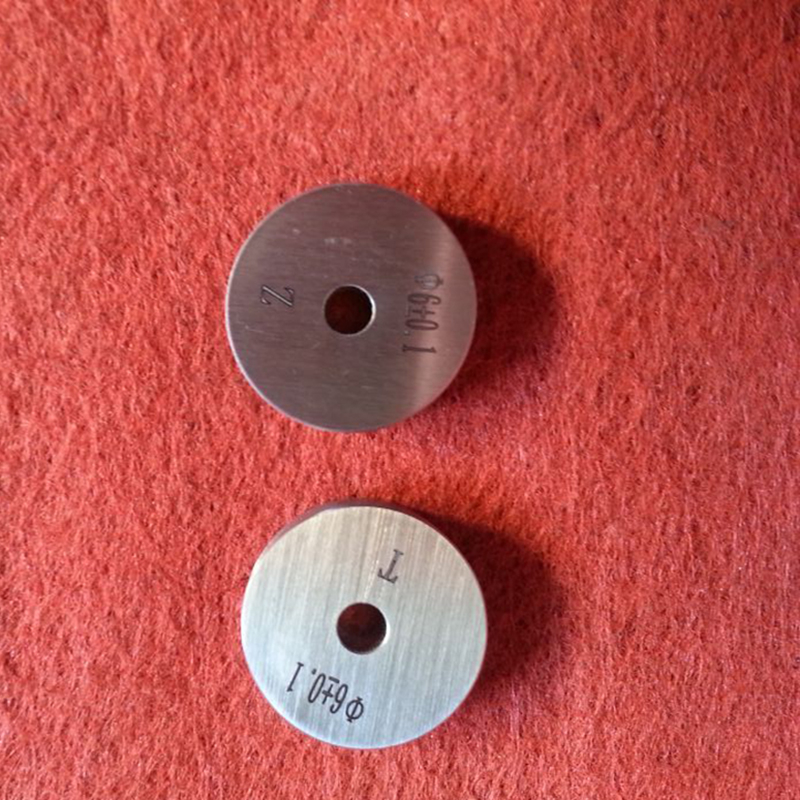
Various Types and Functions of Water Control Valves Explained
Understanding Types of Water Control Valves Water control valves are critical components in plumbing

vee blocks
Understanding Vee Blocks Essential Tools in Precision Engineering In the realm of precision engineer
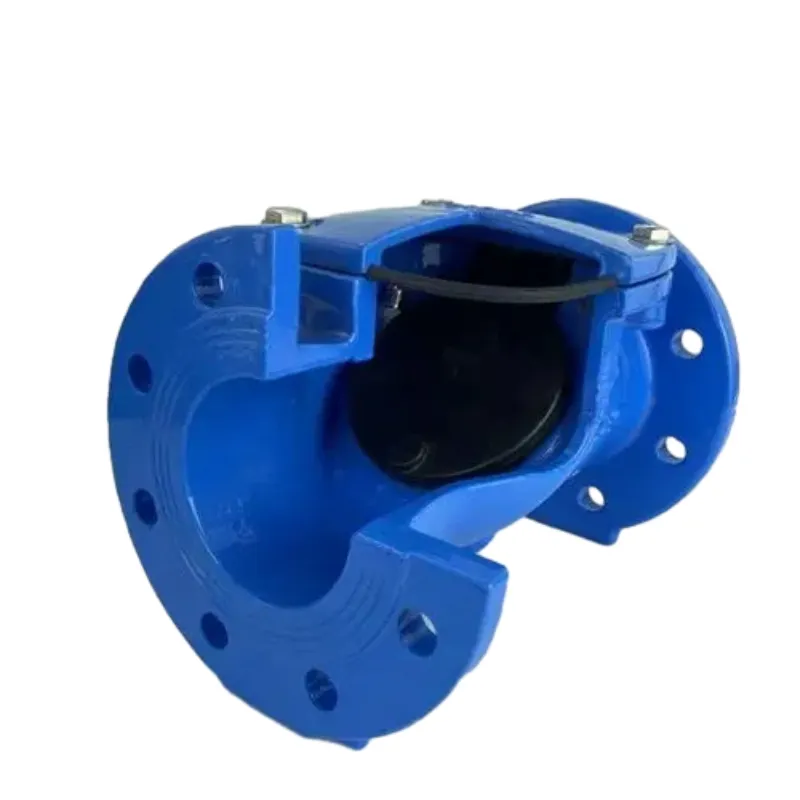
Using a Right Angle Ruler for Accurate Measure and Design in Everyday Projects
The Versatility of the Ruler with Right Angle A Tool of Precision and Creativity The ruler with a ri
 English